
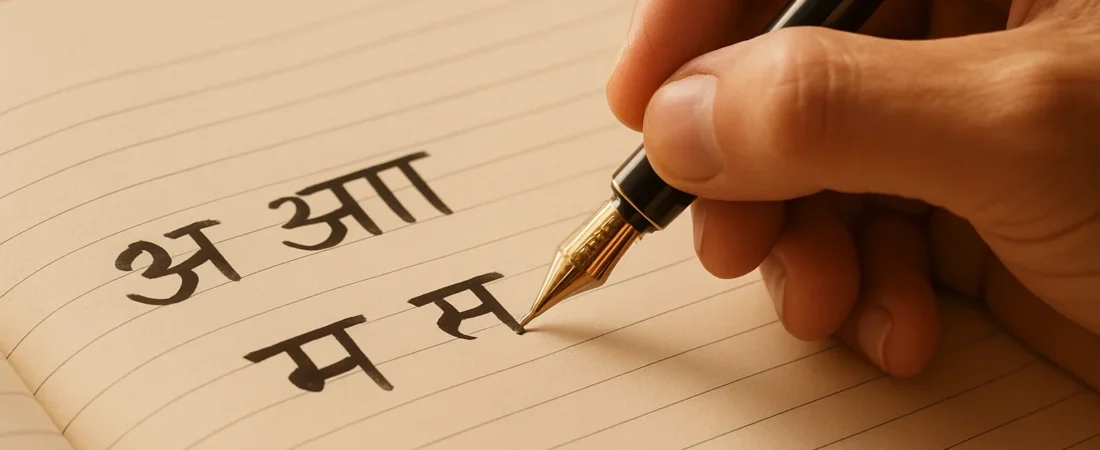
Learning Hindi can become much easier when you start with the basics. Hindi uses the Devanagari (देवनागरी) script, which has vowels, consonants, vowel signs called matras, and other writing marks.
You do not need to learn everything at once. Start with letters, sounds, matras and simple words. With regular practice, reading and writing Hindi becomes easier.
What Is Hindi?
Hindi is a widely spoken language in India. Hindi is commonly written using the Devanagari script.
The basic writing system includes स्वर (swar), or vowels, and व्यंजन (vyanjan), or consonants. Vowel signs called मात्रा (matra) are used with consonants to change their sounds.
For example:
क = ka
का = kaa
कि = ki
की = kee
This pattern is important for learning to read Hindi.
Hindi Vowels — स्वर
Vowels are called स्वर (swar) in Hindi.
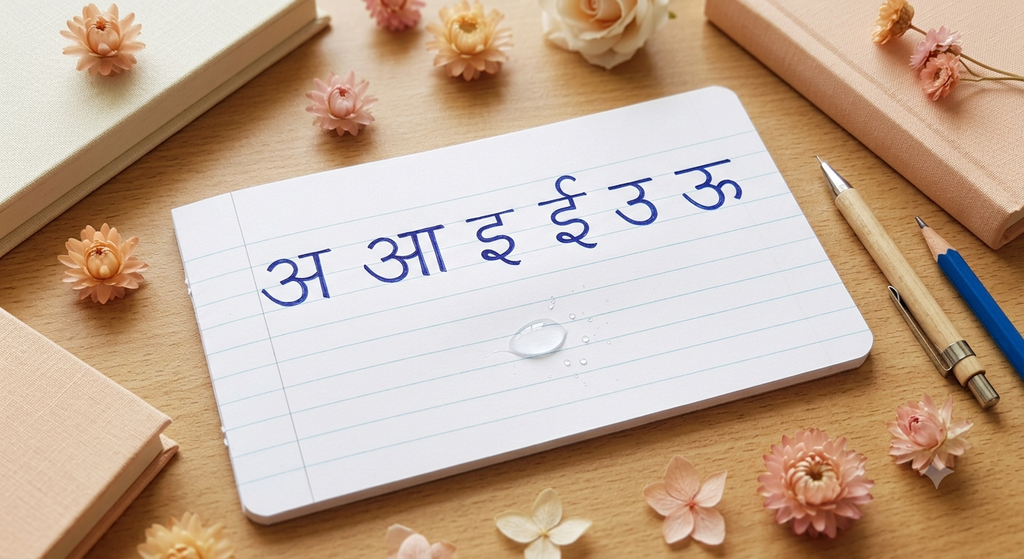
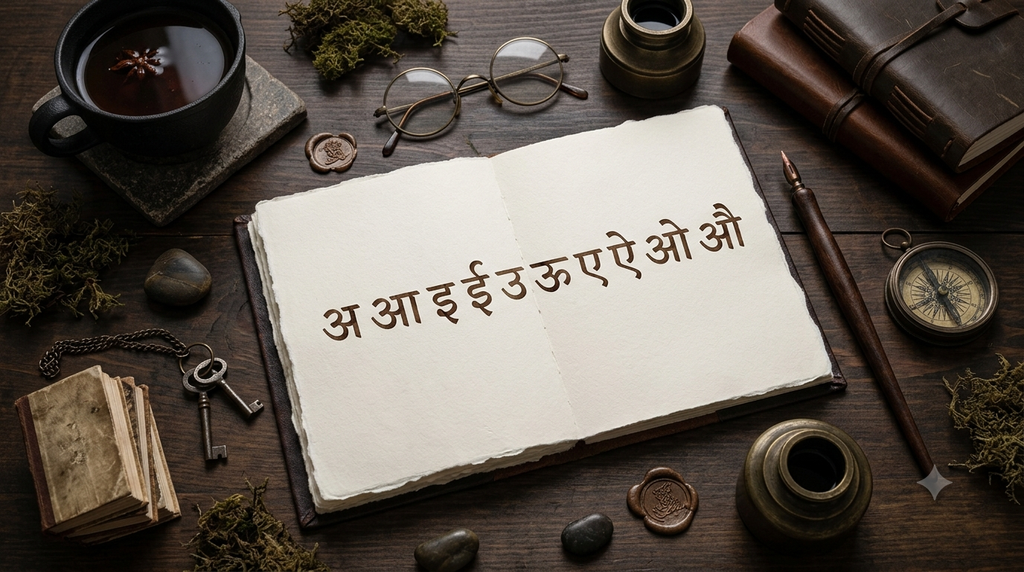
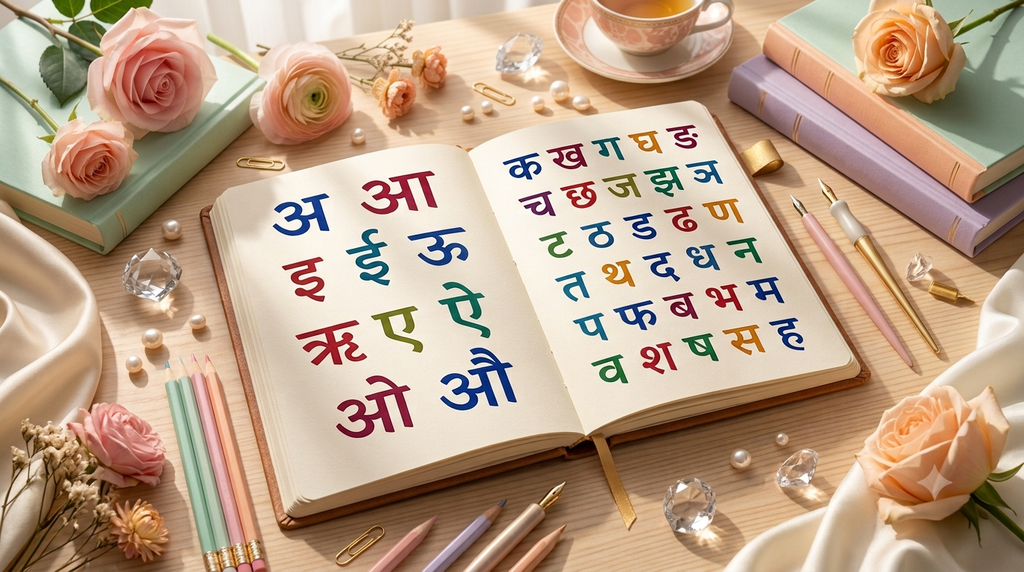
The commonly taught primary Hindi vowels include:
- अ — a
- आ — aa
- इ — i
- ई — ee
- उ — u
- ऊ — oo
- ऋ — ri
- ए — e
- ऐ — ai
- ओ — o
- औ — au
Some Hindi learning charts also teach अं and अः as additional vowel-related signs.
Examples:
अ — अनार
आ — आम
इ — इमली
ई — ईख
उ — उल्लू
ऊ — ऊन
Start by learning the shape and sound of each vowel.
Hindi Consonants — व्यंजन
Consonants are called व्यंजन (vyanjan).
The commonly taught core Hindi consonants include letters such as:
क ख ग घ ङ
च छ ज झ ञ
ट ठ ड ढ ण
त थ द ध न
प फ ब भ म
There are also other consonants such as:
य र ल व
श ष स ह
Hindi also uses additional letters with नुक्ता, especially in words borrowed from other languages.
Learning consonants row by row can make the alphabet easier to remember.
What Are Matras?
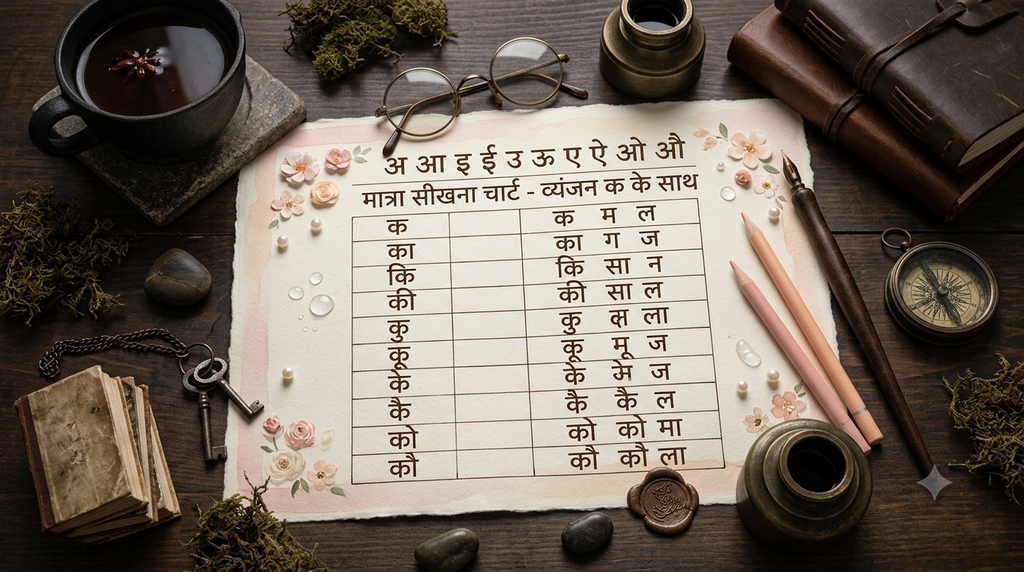
A मात्रा (matra) is a vowel sign attached to a consonant.
For example, the consonant क can change when different vowel signs are added.
क = ka
का = kaa
कि = ki
की = kee
कु = ku
कू = koo
के = ke
कै = kai
को = ko
कौ = kau
The इ matra is written before the consonant visually, even though its sound comes after the consonant.
Understanding matras is one of the most important steps in learning to read Hindi.
Simple Hindi Words
After learning letters and matras, start with short words.
Here are some simple examples:
- आम — Aam — Mango
- घर — Ghar — House
- कमल — Kamal — Lotus
- पानी — Paani — Water
- किताब — Kitaab — Book
- नाम — Naam — Name
- दिन — Din — Day
- रात — Raat — Night
- फल — Phal — Fruit
- फूल — Phool — Flower
Do not worry if you cannot read every word immediately. Read slowly and identify each letter and matra.
Simple Hindi Greetings
Learning a few common expressions can help beginners.
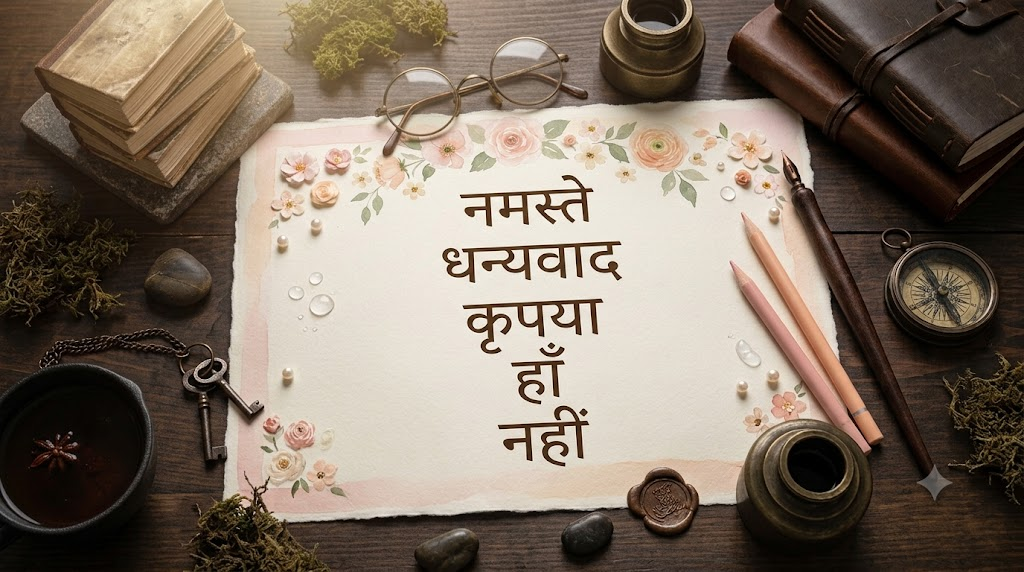
नमस्ते — Namaste
Hello / Greetings
धन्यवाद — Dhanyavaad
Thank you
कृपया — Kripaya
Please
हाँ — Haan
Yes
नहीं — Nahin
No
आप कैसे हैं? — Aap kaise hain?
How are you?
मैं ठीक हूँ। — Main theek hoon.
I am fine.
These simple phrases are useful for basic Hindi communication.
Hindi Numbers
Hindi also has traditional Devanagari numerals.
Here are numbers from 0 to 10:
० — 0
१ — 1
२ — 2
३ — 3
४ — 4
५ — 5
६ — 6
७ — 7
८ — 8
९ — 9
१० — 10
Learning numbers can help you become more comfortable with written Hindi.
How to Start Reading Hindi
Start slowly.
First, learn the vowels.
Next, learn the consonants.
Then learn the common matras.
After that, practise short words.
For example:
क + ा = का
न + ा + म = नाम
प + ा + न + ी = पानी
Breaking words into smaller parts makes reading easier.
How to Start Writing Hindi
Writing practice is important.
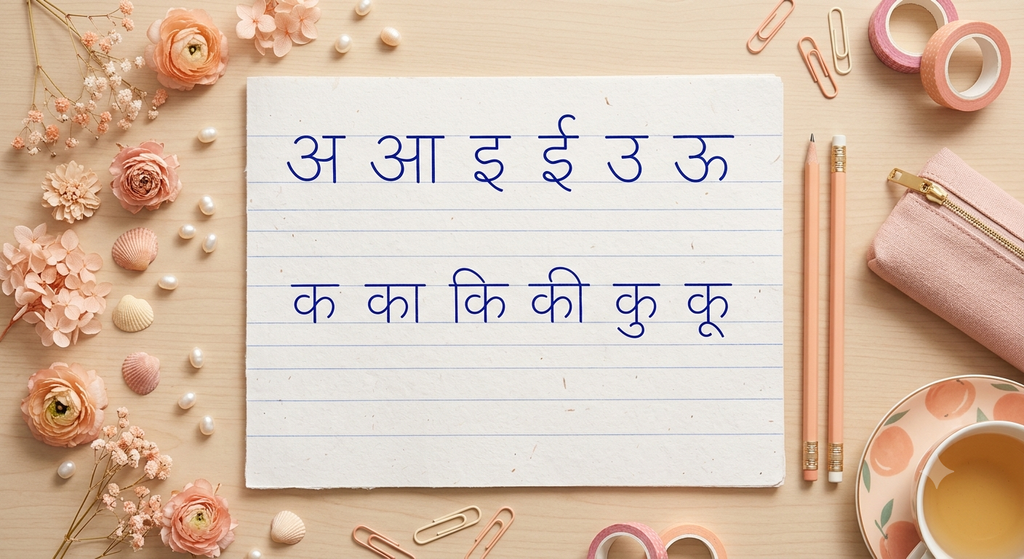
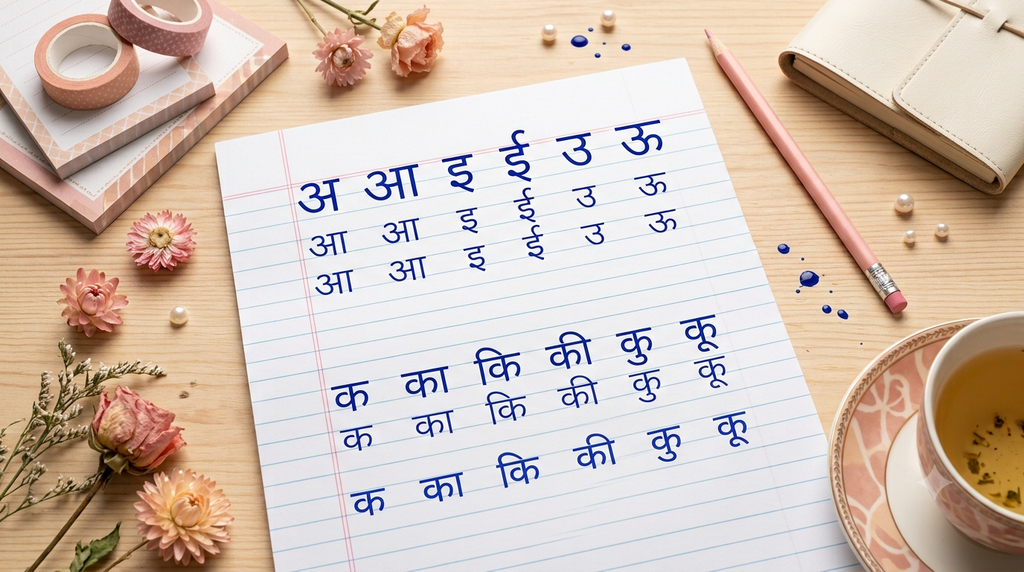
Start by writing one letter several times.
For example:
अ अ अ अ अ
Then practise:
आ आ आ आ आ
After learning more letters, write short combinations.
क का कि की कु कू
Try to keep your letters the same size and shape.
A notebook with ruled lines can help you practise neatly.
Common Hindi Learning Mistakes
Beginners often make small mistakes while learning Hindi.
Confusing Similar Letters
Some letters can look similar at first.
Practise them separately and focus on their shapes.
Missing Matras
A missing matra can change how a word is read.
For example:
क = ka
का = kaa
कि = ki
Pay attention to every matra.
Reading Too Quickly
Do not rush.
Read one letter or syllable at a time.
Slow reading helps you recognise patterns.
Depending Only on Roman Hindi
Roman Hindi can help beginners understand pronunciation, but learning Devanagari is important if your goal is to read and write Hindi.
A Simple Hindi Learning Routine
You can practise Hindi for a short time every day.
5 minutes: Revise vowels.
5 minutes: Practise consonants.
5 minutes: Practise matras.
5 minutes: Read simple words.
5 minutes: Write a few words.
Regular short practice can be easier than trying to memorise everything in one day.
What Makes Hindi Easier to Learn?
Hindi becomes easier when you understand the pattern.
A consonant normally carries an inherent vowel sound, and vowel signs can change that sound.
For example:
क → का → कि → की → कु → कू → के → कै → को → कौ
Once you understand this pattern, you can practise it with many other consonants.
Things to Remember
Start with the basic letters.
Learn the sounds along with the shapes.
Practise matras carefully.
Read simple words every day.
Write regularly.
Do not worry about making mistakes. Correct practice will help you improve.
Final Thoughts
Hindi basics begin with the Devanagari script, vowels, consonants and matras.
Once these foundations become familiar, you can slowly move toward words, sentences, reading and conversation. The key is to practise a little every day instead of trying to learn everything at once.
Start with:
स्वर → व्यंजन → मात्राएँ → शब्द → वाक्य
With patience and regular practice, Hindi reading and writing can become much easier.
Quick Hindi Basics
Script: Devanagari (देवनागरी)
Vowels: स्वर
Consonants: व्यंजन
Vowel signs: मात्राएँ
Hindi numbers: ० १ २ ३ ४ ५ ६ ७ ८ ९